

36+ years. 1,000+ installations. Since 1988, Boilers On-Demand has been the straight-talking alternative to faceless national call centres for homeowners across East Sussex, West Sussex, and Surrey.
We aren't the biggest, but we are the most trusted. When you call us, you aren't talking to a script in a distant office; you're talking to local experts who know that a "smart" thermostat is only smart if it's installed and used properly. If it isn't, it's just an expensive wall ornament that's quietly draining your bank account.
Many homeowners believe that simply sticking a Nest, Hive, or Tado on the wall will automatically slash their bills. The reality? Misconfigured smart controls can actually increase your energy usage.
Here are the 5 most common smart thermostat mistakes we see in homes from Horsham to Petworth — and how you can fix them today.
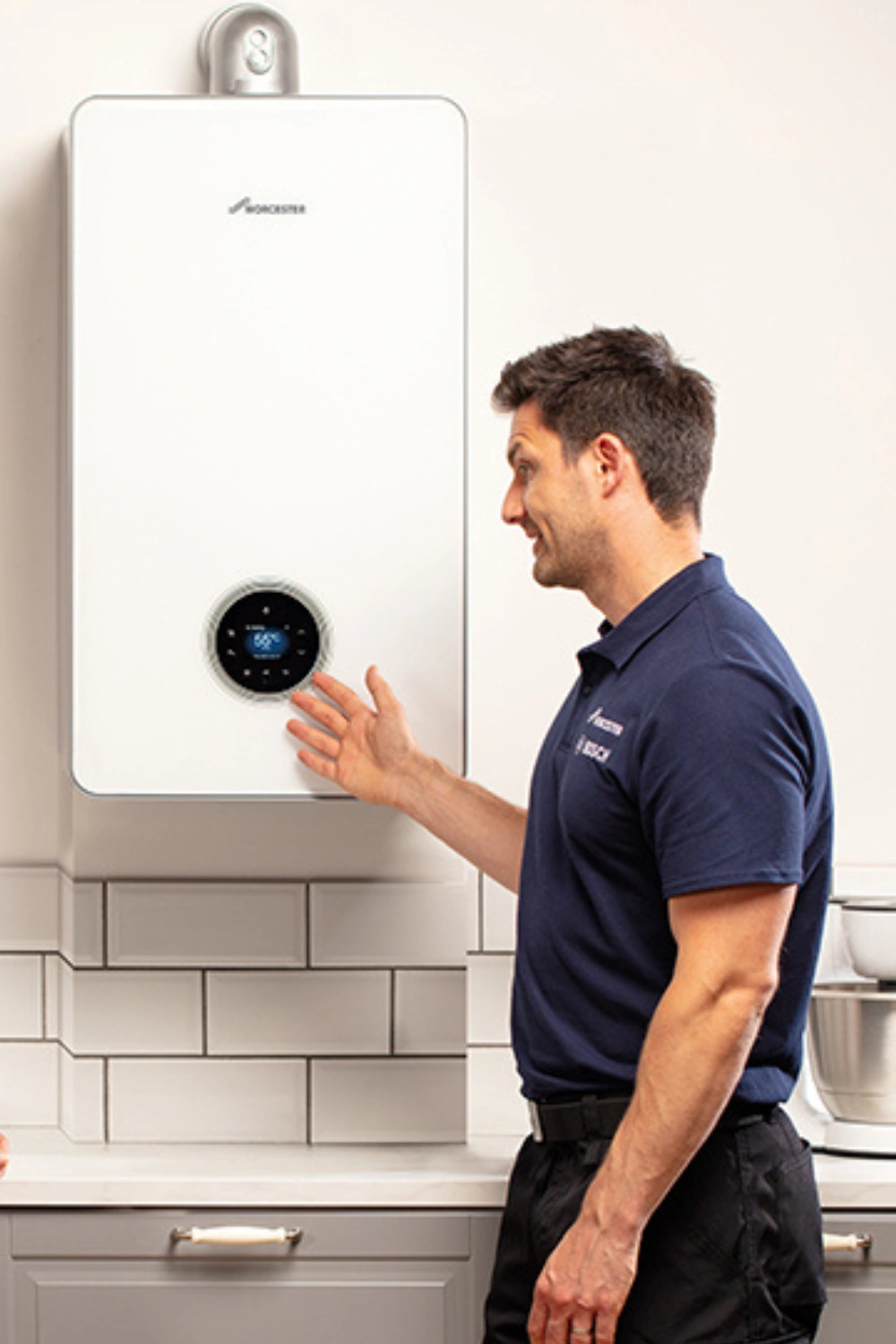
1. The "Hallway Trap": Poor Thermostat Placement
The biggest mistake happens before the device is even turned on. We often see thermostats installed in draughty hallways or near front doors.
If your thermostat is in a cold hallway, it thinks the whole house is freezing. It will tell your boiler to keep firing, even if your lounge is already a sweltering 24°C. Conversely, putting it in direct sunlight or near a kitchen appliance will make it shut off the heating prematurely, leaving the rest of your home chilly.
The Fix: Your main thermostat (or sensor) should be in a "representative" living area — usually the room where you spend the most time. It needs to be away from direct heat sources, draughts, and sunlight. If you're struggling with uneven temperatures, it might be time for a gas safe engineer in Sussex to relocate your controls properly.
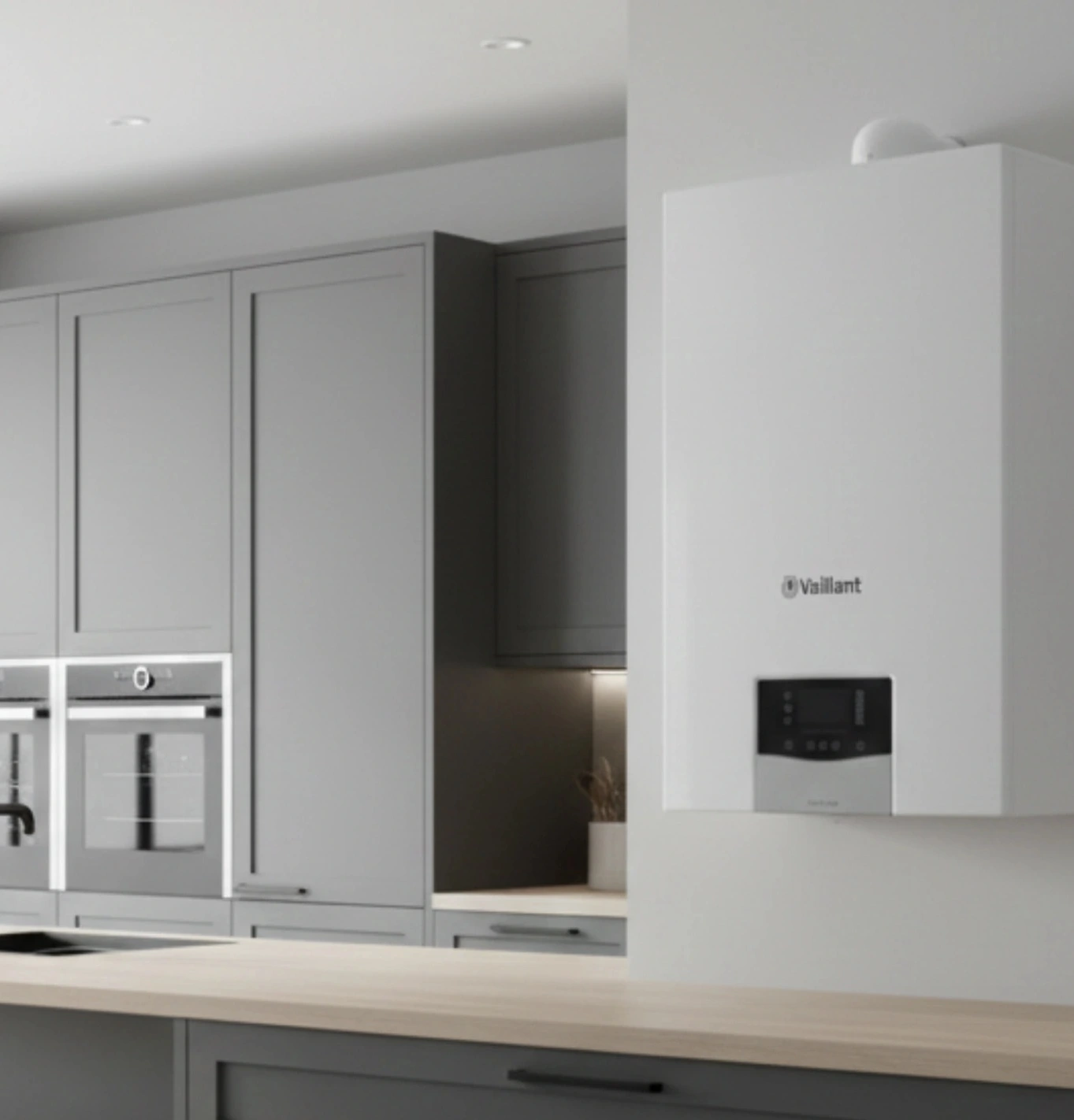
2. Cranking the Heat to 30°C: The "Boosting" Myth
We've all done it. You come home to a cold house and crank the thermostat up to 28°C or 30°C, thinking it will "force" the boiler to heat the house faster.
It doesn't work like that. A boiler isn't like a car accelerator; it's more like a light switch. It's either on or off (unless it's modulating, which we'll get to). Setting it to 30°C won't get you to 20°C any faster; it just ensures the boiler keeps running long after you're comfortable, wasting massive amounts of gas.
The Fix: Set it to your desired temperature (usually 19°C–21°C) and leave it. Most smart thermostats have an "Optimal Start" or "Early Start" feature. Use it. It learns how long your specific home takes to warm up and fires the boiler just early enough so it's exactly 20°C when you walk through the door.
3. Ignoring OpenTherm Modulation
This is the technical bit that most "national" installers skip because it takes too long to explain. If you have a modern condensing boiler — like the Vaillant or Baxi models we specialise in — it is capable of "modulating."
A standard "on/off" thermostat tells the boiler to fire at 100% until the room is warm, then shut off completely. This is incredibly inefficient. An OpenTherm compatible thermostat, however, talks to the boiler. It tells the boiler to fire at 20% or 40% to maintain a steady, low-temperature flow. This keeps your boiler in its "condensing" sweet spot for longer.
The Fix: Don't settle for a basic "on/off" installation. When looking for Vaillant boiler installers, ensure they understand OpenTherm modulation. It can improve efficiency by up to 15% compared to a standard setup. We've seen this simple change save homeowners hundreds over the lifespan of a boiler.
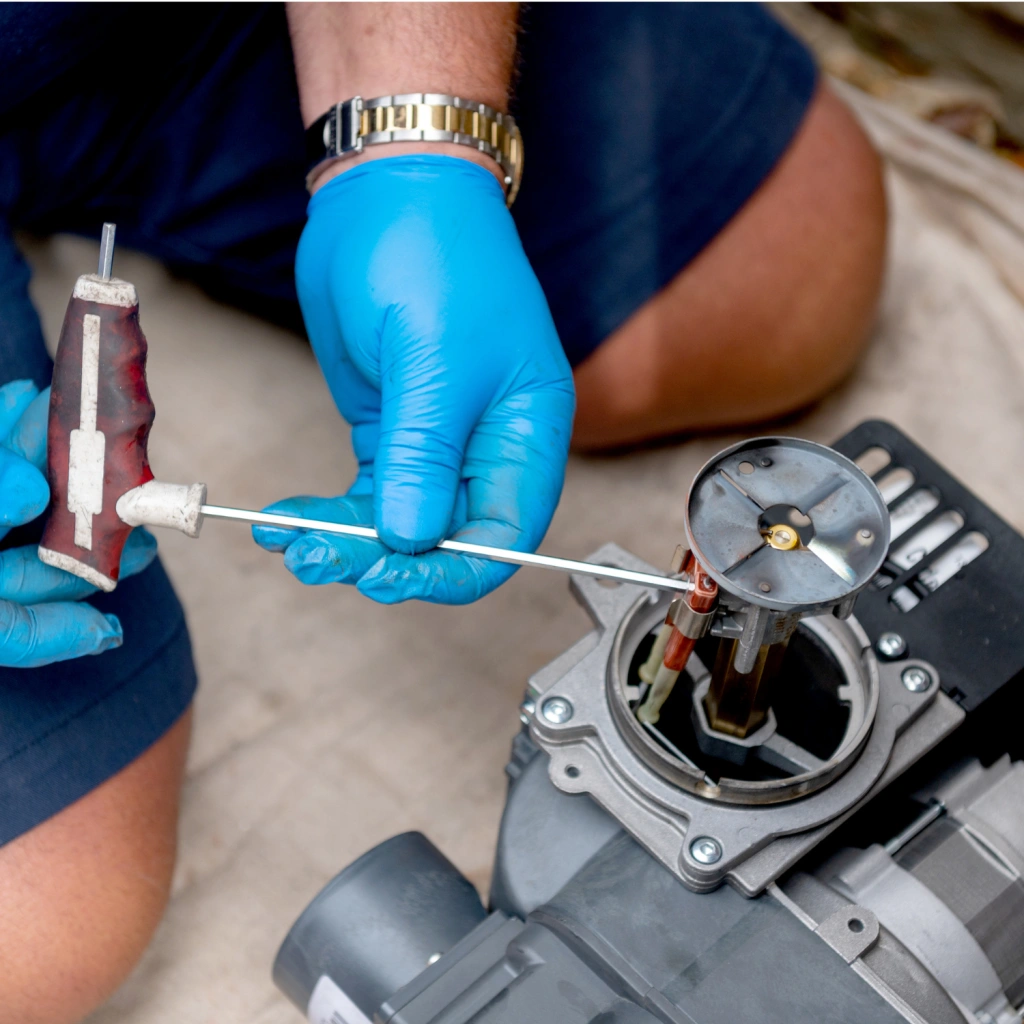
4. Heating Empty Rooms (The Need for Zoning)
Heating your entire house just because you're sitting in the home office is a waste of money. Most basic smart thermostat setups only monitor the temperature in one room (where the thermostat is).
If that room is warm, the rest of the house stays cold. If that room is cold, the boiler fires up the radiators in every single room — including the guest bedroom you haven't used in three weeks.
The Fix: Invest in Smart TRVs (Thermostatic Radiator Valves). This allows for "Zoning." You can tell the system to keep the office at 21°C while the rest of the house stays at a "setback" temperature of 15°C. By only heating the space you're using, you're not just being smart — you're being efficient.
5. Skipping the Annual Gas Boiler Service
You can have the smartest thermostat in the world, but if your boiler is scaled up, the burners are dirty, or the expansion vessel is failing, you are fighting a losing battle.
A smart thermostat controls when the boiler runs, but a gas boiler service ensures how it runs. A poorly maintained boiler has to work harder and run longer to reach the same temperature, completely negating any savings from your smart tech.
The Fix: Book a professional service every 12 months. As Gas Safe registered engineers (No. 575142), we don't just "look" at the boiler. We check flue gases, clean internal components, and ensure the system is balanced. It's the difference between a boiler that lasts 8 years and one that lasts 15.

Why Local Expertise Matters
Since 1988, we have served Sussex and Surrey with a simple philosophy: do the job properly the first time. We've seen the "cowboy" installs where a smart thermostat is wired incorrectly, or worse, left on a generic setting that costs the homeowner a fortune in wasted gas.
When you work with Boilers On-Demand, you get:
- 36+ Years Experience: We've seen every type of system and every type of error.
- Specialist Knowledge: We are experts in Vaillant, Glow-worm, and Baxi systems.
- Flexible Finance: We believe a warm home shouldn't be a financial burden, which is why we offer options to help manage the combi boiler installation cost.
- Peace of Mind: Every installation comes with up to 12-year manufacturer guarantees and the backing of our Gas Safe registration.
Frequently Asked Questions
- Do smart thermostats actually save money?
- They can — but only when placed and configured correctly. A smart thermostat in a cold hallway, cranked to 30°C, or without OpenTherm modulation can actually increase your gas usage. Set correctly, with features like Optimal Start and zoning, it genuinely lowers bills.
- What temperature should I set my thermostat to?
- For most homes, 19°C to 21°C in your main living area is comfortable and efficient. Setting it higher does not heat the house any faster — it just keeps the boiler running longer and wastes gas.
- What is OpenTherm and why does it matter?
- OpenTherm lets a compatible thermostat talk to a modern condensing boiler and modulate it — firing at 20% to 40% to hold a steady low flow temperature rather than blasting at 100% and shutting off. It keeps the boiler in its condensing sweet spot and can improve efficiency by up to 15%.
- Where should a room thermostat be placed?
- In a representative living area where you spend the most time, away from draughts, direct sunlight, and heat sources like radiators or kitchen appliances. Poor placement is the single most common reason a smart thermostat fails to save money.
- Do I still need an annual boiler service if I have a smart thermostat?
- Yes. A smart thermostat controls when your boiler runs, but only an annual service keeps it running efficiently. A scaled-up or poorly maintained boiler works harder and longer, cancelling out any savings from smart controls.
Just a Straight Conversation
We aren't interested in the hard sell. We're interested in making sure your home is safe, warm, and efficient. Whether you're worried about your boiler replacement cost or you just need a reliable gas safe engineer in Sussex to look at your controls, we're here to help.
We cover a wide area, including:
- West Sussex: Horsham, Billingshurst, Petworth, Storrington, and Findon.
- East Sussex & Surrey: Deep roots across the region since 1988.
Ready to stop wasting money? Don't let a "smart" thermostat outsmart your wallet. Give us a call for a no-nonsense chat about your heating system. No call centres, no jargon — just proper service from local experts.