

36+ years serving Sussex and Surrey. More than 1,000 boilers installed. If your radiator is cold at the bottom just as the cold weather arrives, don't assume bleeding it will solve the problem.
A radiator that's cold at the bottom but warm at the top often has sludge or debris restricting the flow of hot water. Air usually causes the opposite pattern: a radiator that's cold at the top.
There's extra pressure to get your heating working efficiently this winter. British Gas has warned that thousands of households could need help as they switch their heating back on after summer. Meanwhile, a Cornwall Insight forecast puts a possible January rise in typical household energy bills at around £276 a year. That figure is a forecast, not a confirmed increase; Ofgem explains how the price cap works.
Here are five sensible checks and fixes to consider before you call an engineer.
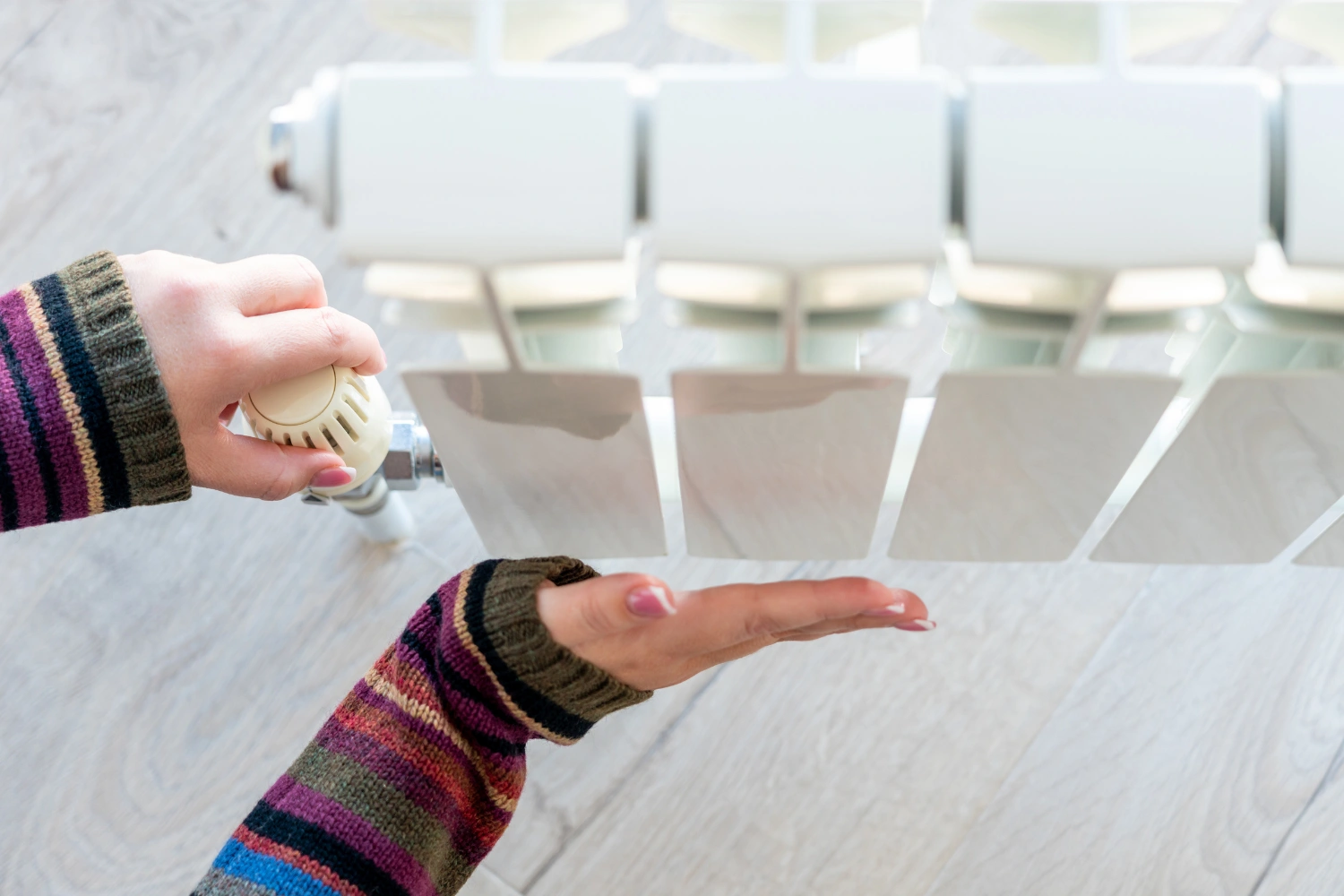
1. Bleed the Radiator, but Only if It's Cold at the Top
Bleeding releases trapped air from a radiator. It can help if the top stays cold while the bottom warms up. It is unlikely to clear sludge that has settled at the bottom.
If you do need to bleed it:
- Turn the heating off and let the radiator cool.
- Use a radiator key and hold a cloth beneath the bleed valve.
- Open the valve slowly. Close it when water, not air, starts to come out.
- Check your boiler pressure afterwards. Bleeding can cause it to drop.
If the radiator is cold at the bottom and warm at the top, don't keep bleeding it in the hope of clearing a blockage. That may not address the cause.
2. Check the Boiler Pressure When the System Is Cool
Low pressure can affect how well heat circulates around your home. On many sealed heating systems, the pressure gauge should read around 1–1.5 bar when the system is cool. Check your boiler manual too, as the correct range can vary by model.
If the pressure is low, follow the manufacturer's instructions for topping it up. Don't guess, and don't keep adding water if the pressure repeatedly drops. A recurring drop may point to a leak or another fault that needs professional attention.
If you're unsure how to check or top up your system, leave it alone and ask a qualified engineer. Never remove the boiler casing or work on gas components yourself.
3. Check the Radiator Valves, and Don't Disturb the Balance
Make sure the radiator's thermostatic valve is turned up and the other valve hasn't been closed. After sitting unused over summer, a thermostatic radiator valve (TRV) can sometimes stick.
You can check whether the control is set correctly, but don't force it or dismantle the valve. If it appears stuck or the radiator stays cold, it may need attention from an engineer.
Also avoid randomly adjusting the lockshield valve. It controls how water is shared between radiators, and changing it without checking the system can make other rooms colder.
4. Consider Whether the Heating System Needs Balancing
If some radiators warm up quickly while others take much longer, the system may not be balanced. Balancing adjusts the flow through individual radiators so heat is distributed more evenly.
That's different from bleeding: bleeding removes trapped air, while balancing adjusts water flow. You may be able to identify an uneven-heating pattern, but getting the adjustment right can take careful testing. If you're not confident, it's a job for a heating engineer.
A balanced system can help your home warm up more evenly. It won't, however, remove sludge that has built up inside a radiator or pipework.
5. If Several Radiators Are Cold at the Bottom, Ask About a Power Flush
Over time, corrosion and debris can collect in a central heating system. This sludge can settle in radiators and restrict water flow. A cold patch or cold lower section, especially across several radiators, can be a sign that the system needs cleaning.
A power flush uses specialist equipment to circulate cleaning solution through the heating system and remove accumulated debris. It's a bigger job than bleeding a radiator, and it isn't necessary for every home. An engineer should assess the system first and explain whether a power flush, another clean or a different repair is the right option.
If you're weighing it up, read our guide to power flushing a central heating system. It explains what the process involves and what to expect.
When Should You Stop Troubleshooting and Call an Engineer?
Arrange professional help if:
- Several radiators stay cold at the bottom.
- The problem continues after basic checks.
- A radiator valve seems stuck, damaged or difficult to turn.
- Boiler pressure keeps falling.
- You notice a leak, unusual boiler noises or repeated heating problems.
A cold-bottom radiator isn't always caused by sludge. A faulty valve or another circulation problem can produce similar symptoms. Getting the cause identified matters; treating the wrong problem can waste time and money.
If the boiler itself is unreliable, arrange a check rather than waiting for a complete breakdown. When searching for a gas boiler service near me or boiler repair Surrey, check that the engineer is appropriately qualified for the work. You can find out more about our boiler servicing and repairs.
Frequently Asked Questions
- Why is my radiator cold at the bottom but warm at the top?
- A radiator that is cold at the bottom but warm at the top often has sludge or debris restricting the flow of hot water. A faulty valve or another circulation problem can produce similar symptoms, so it is worth getting the cause identified.
- Will bleeding a radiator fix a cold bottom?
- It is unlikely. Bleeding releases trapped air, which usually makes a radiator cold at the top. It can help if the top stays cold while the bottom warms up, but it is unlikely to clear sludge that has settled at the bottom.
- What should my boiler pressure be?
- On many sealed heating systems, the pressure gauge should read around 1–1.5 bar when the system is cool. Check your boiler manual too, as the correct range can vary by model. A recurring drop may point to a leak or another fault that needs professional attention.
- Do I need a power flush if my radiators are cold at the bottom?
- Not necessarily. A cold lower section, especially across several radiators, can be a sign that the system needs cleaning, but a power flush is not necessary for every home. An engineer should assess the system first and explain whether a power flush, another clean or a different repair is the right option.
Local Heating Help, Without the Hard Sell
We've been serving Sussex and Surrey since 1988. We're Gas Safe registered, number 575142, and we've installed more than 1,000 boilers. We're not a call centre. We're a local team that believes in doing the job properly and giving you a straight answer.
If you're in Brighton, Worthing, Horsham, Crawley, Guildford, Eastbourne or nearby and your radiators aren't heating properly, we can talk through what you've noticed and whether a service, repair or professional power flush may help.
No hard sell. Just a straight conversation about what your heating system needs. Get in touch with Boilers On-Demand and we'll help you work out the next step.